
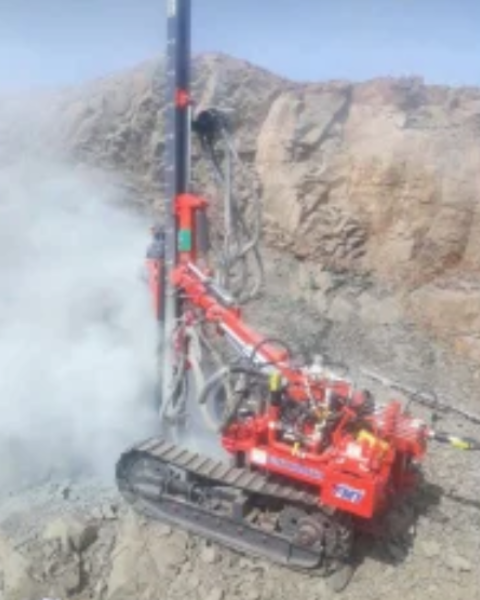
Rock excavation can become a major project constraint when normal digging equipment encounters hard strata. Foundations, utilities, infrastructure works, drainage routes, and other civil activities may require controlled drilling before the next stage can proceed.
However, booking Rock Drilling Services before the site is properly prepared can lead to idle equipment, access problems, unclear quantities, and avoidable delays.
Several readiness indicators can help contractors determine when the project is prepared for drilling work.
The Drilling Area Has Been Clearly Identified
The first requirement is a defined work zone.
The project team should know where drilling is needed, the approximate area involved, and the purpose of the work.
Unclear boundaries can lead to repeated mobilization or drilling beyond the actual requirement.
Site markings should correspond with relevant drawings and engineering instructions.
Ground Conditions Have Been Reviewed
Not all hard ground behaves in the same way.
Where project investigations or excavation observations are available, share relevant information with the drilling contractor.
Rock hardness, depth, fractures, surrounding soil, groundwater, and site geometry can influence equipment selection and productivity.
A site inspection may be useful where conditions cannot be described accurately from drawings alone.
Equipment Can Reach the Work Area
Access is a practical issue that can be overlooked during planning.
Before mobilization, check:
- Entry width
- Ground stability
- Overhead restrictions
- Working clearance
- Equipment positioning
- Nearby structures
- Excavation access
- Material storage
- Movement of other machinery
A drilling machine that cannot reach or safely position itself near the intended location cannot work efficiently regardless of its technical capacity.
Utilities Have Been Checked
Underground electrical lines, water pipes, drainage lines, communication cables, and other services should be considered before drilling begins.
Available utility drawings and site information should be reviewed.
Where uncertainty remains, the project team should follow suitable procedures for identifying concealed services before intrusive work starts.
The Required Drilling Scope Is Defined
Contractors should be able to explain what result is required from the drilling.
Useful information includes hole diameter, depth, quantity, spacing, orientation, and subsequent construction activity.
This helps the service provider understand the required equipment and expected work sequence.
Nearby Activities Have Been Coordinated
Drilling work should not be planned in isolation from the rest of the site.
Consider nearby workers, structures, equipment, traffic movement, occupied buildings, and other contractors.
The work zone may need access control and coordination with the site's safety plan.
The Next Construction Stage Is Ready
Completing drilling far ahead of the next activity can sometimes create unnecessary site-management issues.
Ideally, the project programme should connect drilling with the excavation, foundation, structural, or utility work that follows.
This helps keep the site moving rather than treating drilling as an isolated operation.
Construction and infrastructure projects around Pune can encounter varying ground conditions depending on site geology and excavation depth. Planning becomes particularly important where work is taking place near existing developments or within restricted industrial premises.
Sanas Engineering supports civil and engineering project requirements in Pune and Maharashtra. Before engaging Rock Drilling Services, contractors should have the drilling zone, scope, access, utility information, safety arrangements, and follow-on activity reasonably well defined.
These readiness checks allow the drilling team to evaluate the actual site requirement and help reduce avoidable delays after equipment has already been mobilized.