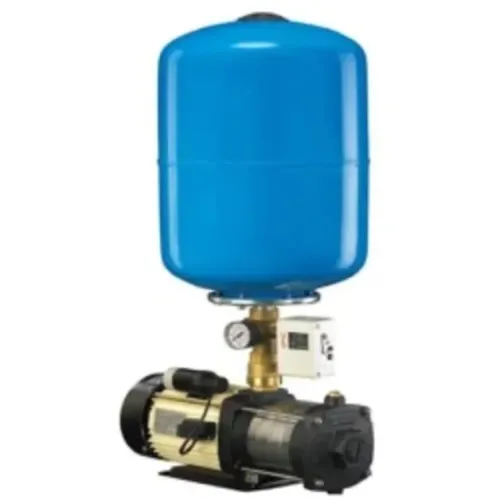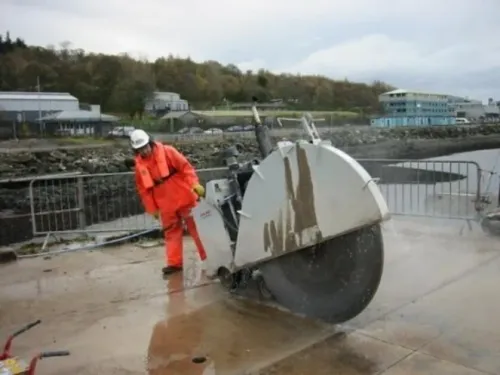

When water begins collecting in an excavation or basement, arranging a pump quickly may seem like the only priority. Yet hiring equipment before defining the requirement can result in inadequate pumping capacity, unsuitable equipment, missing accessories, and unexpected downtime.
Before selecting Water Pump Rental Services, contractors should prepare a basic site brief.
Estimate the Water Problem First
The provider needs more information than the approximate size of the flooded area.
Explain whether water is entering continuously, accumulated after rainfall, seeping through the ground, or coming from another source.
A continuously replenishing excavation may need a different arrangement from a one-time water-removal job.
Also describe whether the water contains mud, sand, silt, or other solids.
Know the Required Lift and Discharge Route
One of the most important measurements is how far the water must be lifted.
The discharge point may be significantly higher than the pump, particularly in basement and deep excavation work.
Horizontal hose distance and pipe routing also matter because resistance affects actual pumping performance.
Before requesting a quotation, identify:
- Approximate vertical lift
- Discharge distance
- Hose route
- Water depth
- Expected flow
- Suitable discharge location
These details help the provider evaluate the actual duty rather than simply supplying a pump based on motor rating.
Confirm the Available Power Supply
Rental equipment is useful only when the site can operate it.
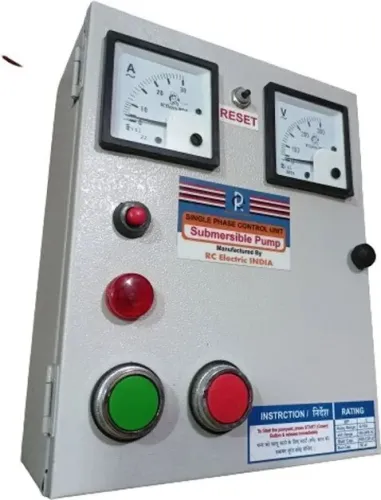
Check the electrical supply, voltage, connection arrangements, cable requirements, and panel availability before delivery.
Where electrical power is unreliable, discuss the operating requirement in advance rather than solving the issue after the equipment reaches the site.
Ask About Accessories
Clarify exactly what the rental includes.
Depending on the arrangement, required accessories can include hoses, pipes, cables, control panels, couplings, starters, and other components.
A pump arriving without the required connection equipment can delay dewatering even when the main machine itself is suitable.
Discuss Breakdown Support
For critical dewatering, ask what happens if the equipment develops a problem.
Questions worth discussing include:
- How is service support requested?
- Is replacement equipment available when required?
- Who handles routine maintenance?
- What damage is considered the renter's responsibility?
- What operating checks should site staff perform?
Clear responsibilities can prevent disputes and reduce response time during an equipment issue.
Determine Whether Backup Capacity Is Necessary
Not every project needs a standby pump, but critical excavations may justify one.
Consider what would happen if the primary unit stopped during heavy rainfall or continuous groundwater ingress.
If several hours without pumping could significantly affect the work area, backup planning deserves attention.
Inspect Site Access Before Delivery
Large pumps and associated equipment need suitable access.
Check unloading space, movement routes, lifting requirements, cable paths, and hose routing before equipment arrives.
This is particularly important on congested construction sites and developed properties.
For Pune projects, monsoon planning should also consider how access and discharge conditions may change during heavy rainfall.
Sanas Engineering provides pump rental and water-management support for construction and industrial applications across Pune and Maharashtra.
The most useful Water Pump Rental Services begin with accurate information. Contractors who define flow requirements, head, water condition, power supply, accessories, rental duration, and backup needs before hiring equipment are in a much stronger position to obtain a pumping arrangement that actually suits the job.