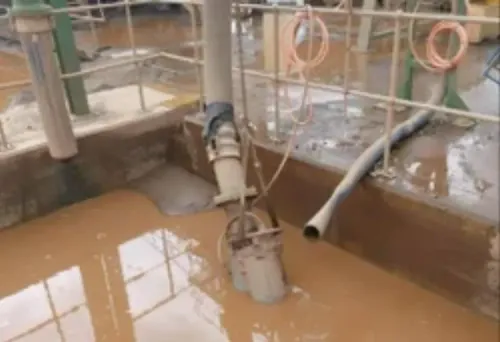

Water entering an excavation can quickly turn a routine construction activity into a difficult site-management problem. Groundwater seepage, rainfall, surface runoff, and accumulated water can interfere with excavation, foundation preparation, concreting, utility installation, and movement of workers and equipment.
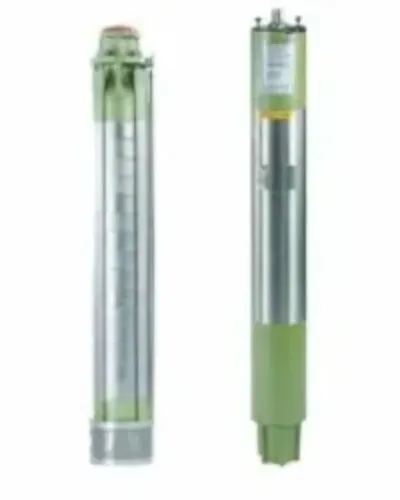
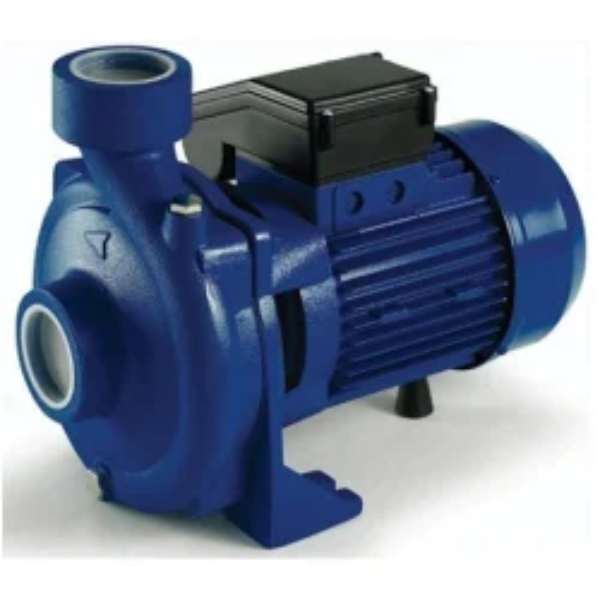
Industrial Dewatering Pumps are used to manage this unwanted water and help maintain workable site conditions.
For construction and infrastructure projects in Pune, dewatering planning becomes particularly important during Maharashtra's monsoon period, although groundwater problems can occur throughout the year.
Excavations Need More Than Occasional Water Removal
A small amount of standing water may sometimes be removed with basic pumping arrangements. Continuous groundwater ingress requires a more systematic approach.
If water keeps entering an excavation, simply placing any available pump at the lowest point may not provide reliable control.
The project team should understand:
- Estimated water inflow
- Required pumping head
- Discharge distance
- Excavation depth
- Solids present in the water
- Available power supply
- Required operating duration
- Backup requirements
These factors influence pump selection and the overall dewatering arrangement.
Foundation Work Can Be Sensitive to Water
Foundation preparation often requires controlled site conditions.
Accumulated water can interfere with soil preparation, reinforcement activity, formwork, waterproofing, and other civil operations. Continuous pumping may therefore be needed to keep the work zone manageable while critical activities are completed.
The objective is not simply to remove visible water once. A dewatering system should be capable of handling expected inflow throughout the required period.
Basement Projects Create Their Own Challenges
Deep basement excavations can encounter groundwater as work progresses below ground level.
The deeper the excavation, the more carefully the pumping requirement may need to be evaluated. Access, pump placement, discharge routing, and safe maintenance become increasingly important.
Temporary dewatering can also be required in existing basements following heavy rainfall, drainage problems, or unexpected water accumulation.
Infrastructure Projects Frequently Need Temporary Dewatering
Road, bridge, pipeline, utility, drainage, and municipal projects may involve trenches and excavated areas where water prevents work from proceeding efficiently.
Industrial dewatering equipment can support:
- Pipeline trenches
- Utility corridors
- Foundation pits
- Bridge works
- Road construction
- Underground structures
- Drainage projects
- Floodwater removal
The exact configuration should be based on site conditions rather than assuming one pump specification will suit every application.
Solids Can Affect Pump Selection
Construction water is rarely perfectly clean.
Sand, silt, mud, and suspended particles may be present. Using equipment that is not suitable for the actual water conditions can increase the risk of clogging, wear, reduced output, and breakdown.
Before selecting a pump, identify what the equipment will actually be expected to handle.
This simple assessment can prevent a common site mistake in which pumping capacity looks adequate on paper but actual performance is poor because the water contains material the pump was not selected to manage.
Discharge Planning Is Equally Important
Removing water from an excavation solves only half the problem. The discharged water needs somewhere appropriate to go.
If the outlet is positioned badly, water may flow back toward the excavation or create another problem elsewhere on the site.
Hose length, elevation difference, discharge route, local drainage arrangements, and applicable site requirements should therefore be considered alongside pump capacity.
Construction companies and civil contractors working across Pune and Maharashtra can benefit from planning dewatering before excavation reaches water-prone levels.
Sanas Engineering supports pumping and dewatering requirements for construction and industrial applications. Whether equipment is purchased or arranged temporarily, properly selected Industrial Dewatering Pumps can help keep excavation, foundation, and infrastructure work moving under challenging water conditions.