
Maintaining consistent water pressure is essential for commercial buildings, manufacturing facilities, hospitals, hotels, and residential developments. A hydro pneumatic water supply system provides automated pressure management without relying on conventional overhead storage alone. Understanding where these systems perform best helps facility owners make informed infrastructure decisions.
Across Pune and nearby industrial areas, demand for efficient water distribution systems continues to grow as modern facilities require dependable pressure control and uninterrupted water availability.
How a Hydro Pneumatic System Works
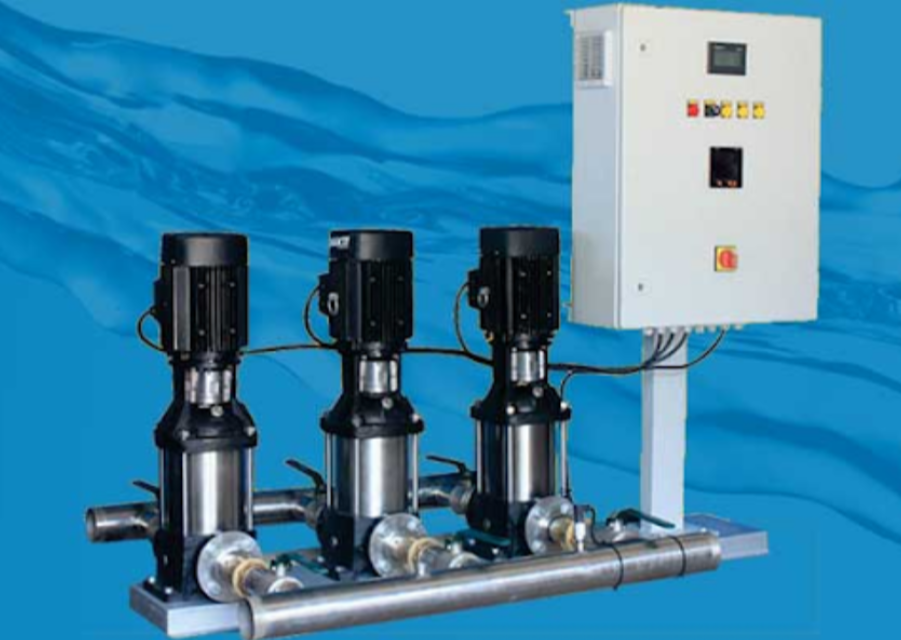
Unlike gravity-fed systems, hydro pneumatic systems use pumps, pressure vessels, and control equipment to maintain constant water pressure throughout the distribution network.
The system generally consists of:
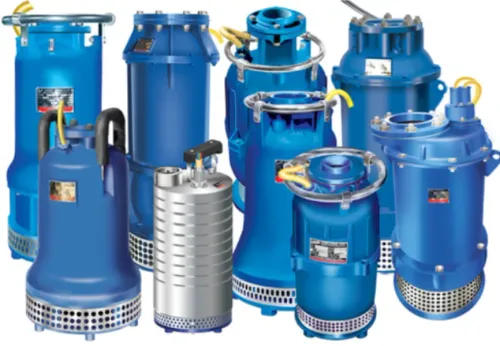
- Water pumps
- Pressure tank
- Pressure switches
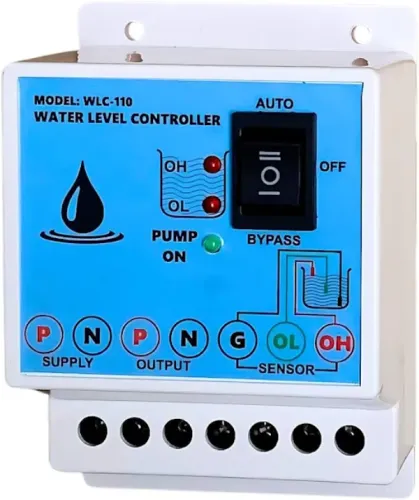
- Control panel
- Pressure sensors
- Distribution piping
Together, these components respond automatically to changes in water demand.
Benefits for Modern Buildings
Consistent water pressure improves both user experience and operational efficiency.
Advantages include:
- Uniform water pressure
- Reduced pump cycling
- Lower water wastage
- Improved energy efficiency
- Compact installation
- Better system automation
These benefits make the technology suitable for facilities with varying water demand throughout the day.
Typical Applications
Hydro pneumatic systems are widely used in:
- Manufacturing plants
- Commercial complexes
- Hotels
- Hospitals
- Educational campuses
- High-rise residential buildings
- Industrial processing facilities
Each installation is designed according to building size, occupancy, and water consumption patterns.
Factors to Evaluate Before Installation
Successful implementation depends on proper system design.
Key considerations include:
- Daily water demand
- Peak consumption periods
- Pump capacity
- Pressure requirements
- Backup arrangements
- Future expansion needs
Engineering calculations ensure the system performs efficiently under changing operating conditions.
Maintenance Supports Reliable Performance
Routine maintenance helps maintain consistent pressure and reduce unexpected failures.
Recommended activities include:
- Pressure vessel inspection
- Pump servicing
- Sensor testing
- Valve inspection
- Electrical system checks
Regular maintenance extends equipment life while supporting uninterrupted water supply.
Engineering-focused organizations like Sanas Engineering assist industrial customers with technically sound equipment solutions tailored to demanding applications. Additional information through sanasengg.com demonstrates how proper engineering contributes to efficient water management systems.
A hydro pneumatic water supply system offers dependable pressure control, improved automation, and efficient water distribution when designed according to the specific needs of the facility.