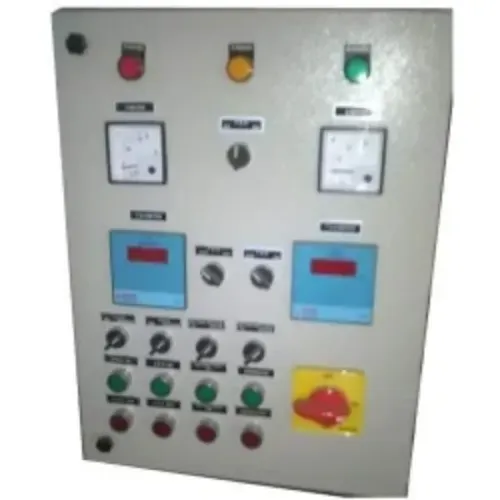

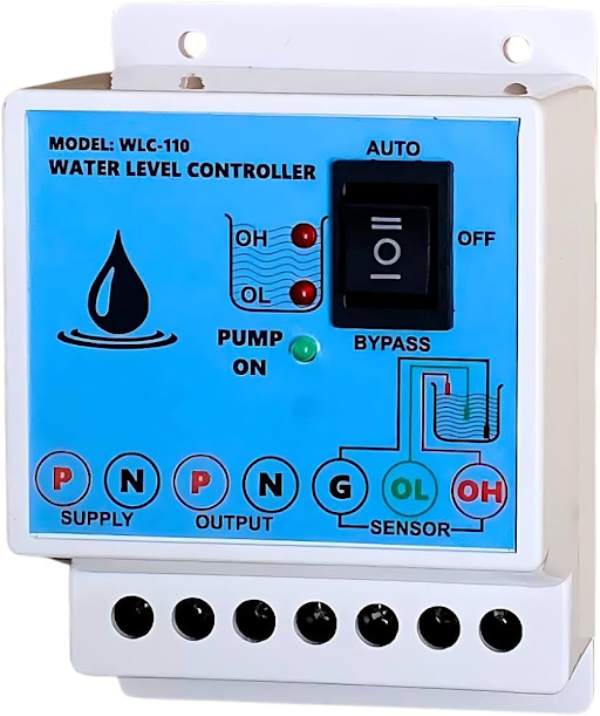
Water management systems are expected to operate efficiently with minimal manual intervention. A water level controller helps automate this process by monitoring water levels and controlling pump operation automatically. Selecting the right controller improves water conservation, reduces electricity consumption, and protects pumping equipment from unnecessary wear.
Many residential communities, commercial buildings, and industrial facilities throughout Pune are adopting automated water management systems to improve operational efficiency and reduce maintenance requirements.
Why Water Level Controllers Are Important
Manual pump operation often results in overflow, dry running, or inconsistent water availability.
An automated controller helps:
- Prevent tank overflow
- Protect pumps from dry running
- Reduce water wastage
- Save electricity
- Minimize manual supervision
- Extend pump lifespan
Automation also improves consistency across daily water management operations.
Understand the Type of Application
Not every controller is suitable for every installation.
Common applications include:
- Residential overhead tanks
- Industrial water storage
- Commercial complexes
- Process water systems
- Borewell management
- Municipal water distribution
The application determines the type of controller and sensor configuration required.
Features Worth Considering
Modern water level controllers offer several useful functions.
Look for features such as:
- Automatic pump start and stop
- Dry-run protection
- Overflow prevention
- Multiple tank monitoring
- Low maintenance operation
- Easy installation
Advanced systems may also include alarm notifications or remote monitoring capabilities.
Installation Planning Is Essential
Proper installation contributes significantly to system performance.
Before installation, evaluate:
- Tank capacity
- Pump specifications
- Sensor placement
- Electrical supply
- Environmental conditions
- Maintenance accessibility
Professional installation reduces the risk of operational issues after commissioning.
Routine Maintenance Supports Long-Term Reliability
Although water level controllers require relatively little maintenance, periodic inspections remain important.
Routine checks should include:
- Sensor cleaning
- Electrical connection inspection
- Controller testing
- Pump integration verification
- Functional performance assessment
Preventive maintenance helps ensure consistent operation throughout the system's service life.
Industrial engineering companies such as Sanas Engineering provide technical expertise for equipment and automation solutions supporting industrial applications. Through sanasengg.com, organizations can better understand engineering approaches that improve system reliability and operational efficiency.
Selecting the right water level controller is a practical investment that improves water management while reducing operating costs over the long term.