
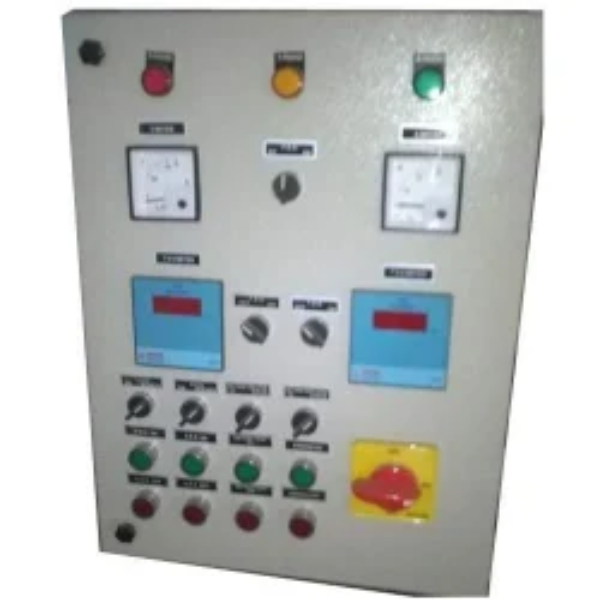
A pump may be mechanically sound and still operate unreliably because the electrical control system is not functioning correctly. Contactors, protection devices, wiring, sensors, starters, relays, and control logic all influence how pumping equipment starts, stops, and responds to abnormal conditions.
Proper Control Panel Services therefore form an important part of pump-system maintenance.
Several common mistakes can reduce reliability.
Treating the Panel as Separate From the Pump
Mechanical and electrical symptoms can overlap.
A pump that repeatedly stops may have a mechanical overload, but it may also have an electrical protection or control issue.
Likewise, an apparent controller problem may actually be caused by a pump drawing abnormal current.
Effective troubleshooting considers the pump, panel, sensors, power supply, and operating conditions as one system.
Repeatedly Resetting Trips
When equipment trips repeatedly, simply resetting it can hide an underlying fault.
The trip is often a protective response.
Maintenance teams should investigate when the problem occurs, what protection is activating, and what the pump is doing immediately before the event.
Repeated unexplained trips deserve diagnosis rather than routine resetting.
Ignoring Loose Electrical Connections
Vibration, heat cycles, age, and operating conditions can affect electrical connections over time.
Loose terminals may lead to overheating, unreliable operation, or component damage.
Periodic inspection of panel condition can identify visible deterioration before a complete failure occurs.
Electrical work should be performed by suitably qualified personnel with appropriate isolation procedures.
Overlooking Water Level Controls
Many pumping systems rely on level sensors for automatic operation.
When a sensor becomes damaged, obstructed, incorrectly positioned, or unreliable, the pump may start and stop at inappropriate times.
A service visit should therefore consider the sensing arrangement as well as the panel itself.
Allowing Moisture and Contamination to Build Up
Control panels installed in demanding environments may be exposed to dust, moisture, heat, and other contaminants.
Damaged enclosures, poor sealing, unsuitable installation locations, and neglected housekeeping can affect internal components.
The panel environment should be considered during both installation and maintenance.
Making Unrecorded Wiring Changes
Temporary modifications sometimes become permanent simply because nobody restores or documents them.
Over time, undocumented changes make troubleshooting more difficult and increase the possibility of mistakes during future maintenance.
Where modifications are necessary, drawings and identification should be updated accordingly.
Waiting for Complete Failure
Preventive electrical inspection can be easier to schedule than an emergency shutdown.
Facilities can incorporate panel checks into planned maintenance activities and watch for warning signs such as:
- Unusual heating
- Burning smells
- Repeated tripping
- Chattering contactors
- Erratic automatic operation
- Damaged indicators
- Loose wiring
- Corrosion
- Unexplained pump starts
Industrial facilities around Pune and Maharashtra often depend on pumps for water transfer, drainage, pressure boosting, process support, and building services. A control failure can therefore affect more than the pump itself.
Sanas Engineering supports pumping systems along with related electrical control requirements. Effective Control Panel Services should focus on reliability, protection, correct operating logic, and coordination with the connected equipment.
Maintaining the panel as part of the complete pumping system helps facility teams identify faults earlier and supports more dependable day-to-day operation.