
Pumps rarely move from normal operation to total failure without giving some indication that something has changed. Reduced output, unusual noise, repeated electrical trips, leakage, and excessive vibration can all point to developing problems.
Recognizing these warning signs early can help facility teams decide when professional Pump Repairing Services should be considered.
Reduced Water Flow Deserves Investigation
A noticeable decline in discharge is one of the most obvious symptoms.
Possible causes can include blockages, worn components, impeller problems, pipe restrictions, incorrect operating conditions, or electrical issues affecting performance.
The correct response is not automatically to install a larger pump.
If the existing system previously performed adequately, a sudden reduction suggests that the underlying cause should be identified first.
Unusual Noise Can Indicate Mechanical Problems
Facility teams often become familiar with the normal operating sound of regularly used pumps.
Grinding, rattling, knocking, or other new sounds should not be ignored.
They may indicate worn bearings, loose components, foreign material, mechanical contact, or other problems requiring inspection.
Continuing to operate equipment under abnormal conditions can sometimes turn a repairable issue into more extensive damage.
Repeated Tripping Needs Proper Diagnosis
Resetting a tripped pump repeatedly without understanding the cause is not a maintenance strategy.
Frequent tripping can be associated with overload conditions, electrical faults, mechanical resistance, voltage issues, control-panel problems, or unsuitable operating conditions.
The pump and its electrical system should be considered together during troubleshooting.
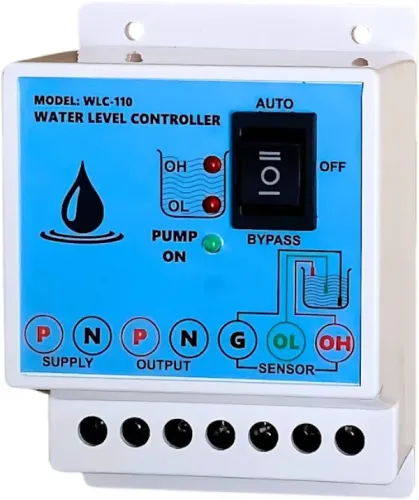
This is especially relevant for industrial facilities where pumps may be integrated with control panels and automatic level systems.
Leakage Should Be Assessed Early
Visible leakage around a pumping installation can indicate seal deterioration, damaged connections, worn components, or problems elsewhere in the system.
Even a relatively small leak can become more significant over time.
Routine inspection allows maintenance teams to identify changes before they begin affecting surrounding equipment or operational reliability.
Excessive Vibration Is Another Warning
Some vibration is normal for rotating equipment, but a clear increase deserves attention.
Potential causes can include alignment issues, bearing wear, imbalance, loose mounting, or mechanical deterioration.
Ignoring vibration can place additional stress on components and connected piping.
Repair Decisions Should Consider Equipment Condition
Not every faulty pump should automatically be repaired.
Before authorizing significant work, evaluate:
- Equipment age
- General condition
- Frequency of previous failures
- Availability of parts
- Repair cost
- Energy performance
- Importance of the application
- Expected remaining service life
For older equipment with repeated failures, replacement may sometimes be more practical.
For otherwise serviceable equipment with an identifiable fault, repair can extend useful operating life.
Maintenance Records Make Diagnosis Easier
Factories, residential complexes, hotels, hospitals, commercial facilities, and infrastructure sites can benefit from maintaining simple pump service records.
Record operating problems, repairs, component changes, inspections, and repeated faults.
This history helps identify equipment that is consuming increasing maintenance resources.
Sanas Engineering provides pump repair and maintenance support for pumping applications in Pune and across Maharashtra. A professional assessment can help distinguish a relatively straightforward fault from a broader system problem.
Timely Pump Repairing Services are most valuable before equipment reaches complete failure. Watching for changes in flow, sound, vibration, leakage, electrical behaviour, and operating temperature gives maintenance teams an opportunity to investigate problems while planned corrective action may still be possible.