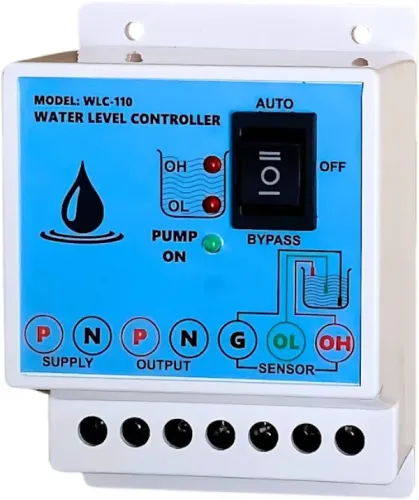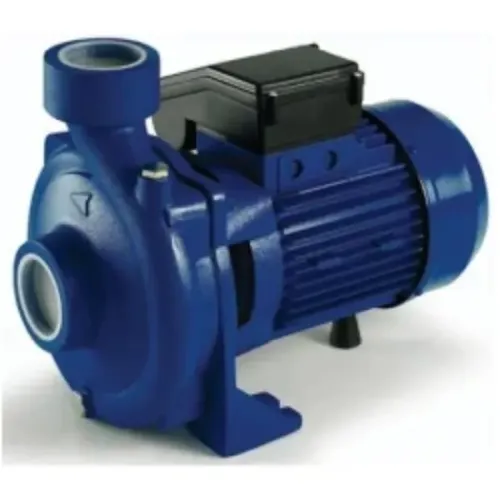


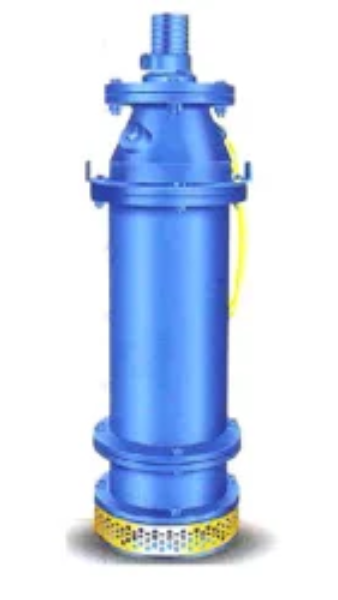
Buying a pump is not automatically the most economical choice. Construction contractors, facility managers, and industrial teams often need pumping capacity for a limited project, emergency, seasonal requirement, or temporary replacement. In these situations, Pump Rental Services may offer a practical alternative to equipment ownership.
The correct decision depends on more than the daily rental rate.
Start With the Expected Usage Period
Duration is one of the first factors to evaluate.
A contractor needing equipment for several days during excavation has a very different requirement from an industrial facility expecting continuous operation for years.
Rental can be particularly useful for:
- Temporary dewatering
- Monsoon water removal
- Short construction phases
- Emergency drainage
- Trial applications
- Temporary replacement during repairs
- One-time infrastructure activities
- Unexpected groundwater problems
Long-term and frequently recurring requirements deserve a separate ownership cost assessment.
Compare Total Cost Rather Than Purchase Price
Purchase cost is only one part of owning pumping equipment.
Ownership may also involve storage, servicing, spare parts, inspection, transportation, electrical accessories, idle equipment, and eventual replacement.
Rental shifts the financial structure toward paying for equipment during the period it is actually required.
However, rental is not automatically cheaper in every case. Repeated long-duration rentals can eventually exceed the cost of owning appropriate equipment.
The sensible approach is to compare expected total costs over the actual operating period.
Check Whether the Pump Matches the Site
Low rental pricing has little value if the equipment cannot manage the application.
Before confirming a unit, provide information about:
- Approximate water volume
- Required flow
- Vertical lift
- Discharge distance
- Water quality
- Solids present
- Available electricity
- Operating hours
- Site access
- Expected rental period
This allows the pumping requirement to be evaluated more accurately.
Ask What Is Included in the Rental Arrangement
Two rental quotations can look similar while covering very different scopes.
Clarify whether the arrangement includes delivery, pickup, hoses, cables, panels, installation assistance, operators, maintenance support, and replacement arrangements in case of equipment problems.
Understanding inclusions reduces the chance of unexpected project costs later.
Reliability Can Matter More Than a Small Rate Difference
A pump used for critical dewatering may be protecting an excavation from continuous water ingress.
If it stops working, the cost of lost working time, flooded areas, labour delays, and recovery can be much greater than the difference between two rental rates.
For critical applications, contractors should evaluate equipment condition, support capability, response arrangements, and backup planning alongside price.
Seasonal Requirements Need Early Planning
Pune's monsoon conditions can increase temporary water-management requirements across construction sites, commercial properties, factories, basements, and infrastructure works.
Waiting until severe water accumulation has already occurred can reduce the time available for proper pump selection and installation planning.
Projects with known seasonal exposure can identify likely pumping requirements in advance.
Rental Is Also Useful During Maintenance
Industrial facilities sometimes need temporary equipment while an existing pump is undergoing repair or overhaul.
A suitable rental unit can help maintain essential water-transfer functions during this period.
Sanas Engineering provides pumping solutions and equipment support for construction and industrial requirements in Pune and other parts of Maharashtra.
When assessing Pump Rental Services, contractors should look beyond the quoted rental figure. Equipment suitability, rental duration, accessories, transportation, technical support, reliability, and contingency planning all affect the real project cost. A well-matched rental arrangement can provide required pumping capacity without committing capital to equipment that may spend much of its life sitting unused.