

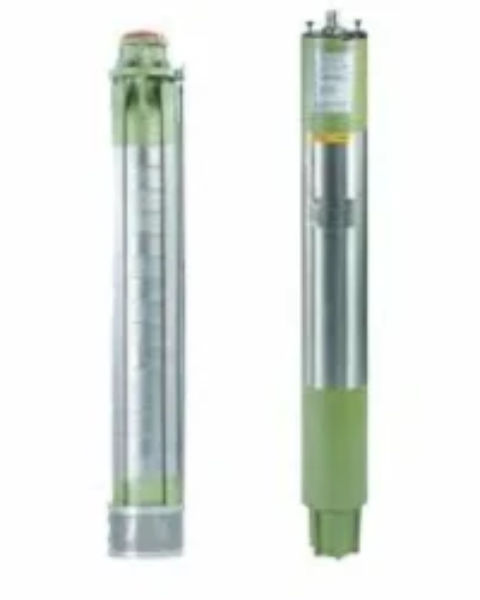
A pump positioned outside a water source must draw water toward itself. A submersible unit works differently because the pumping equipment operates while submerged in the liquid it is designed to handle.
This makes Submersible Pumps useful for numerous construction, industrial, commercial, and water-management applications.
Understanding where these pumps fit into a pumping system helps project teams avoid choosing equipment solely according to motor power or outlet size.
What Makes a Submersible Pump Different
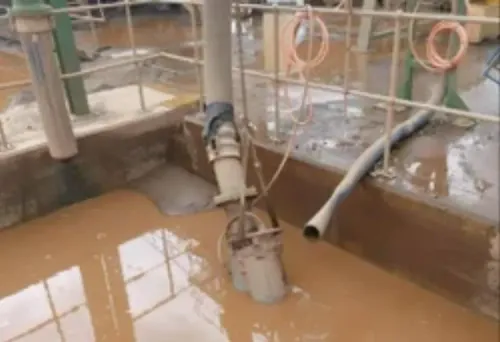
The pump and motor assembly is designed to operate below the water level. Water is moved through the pump and discharged through a connected pipe or hose.
Because the unit is submerged, these pumps are frequently considered for applications such as:
- Construction pits
- Basement water removal
- Sumps
- Tanks
- Dewatering applications
- Drainage systems
- Industrial water transfer
- Borewell applications where suitable pump types are specified
Different submersible pumps are designed for different liquids and operating conditions, so the term does not describe one universal machine.
Flow Rate Matters
Flow rate indicates how much water a pump can move over a given period.
A project with rapid groundwater ingress may require significantly more capacity than a small sump that fills gradually.
Choosing a pump without estimating the incoming water volume can result in equipment that runs continuously but never lowers the water level adequately.
Oversizing should also be avoided without technical justification. The goal is to match the pumping arrangement to the actual requirement.
Head Determines How Hard the Pump Must Work
A pump does not only move water horizontally. It may also need to lift it vertically and overcome losses through pipes, hoses, bends, and fittings.
This resistance is reflected in the pumping head.
A pump capable of delivering a high flow under one condition may provide a different output when water must be lifted through a significant height.
For projects in Pune involving deep basements, excavations, industrial tanks, and multi-level facilities, this is an important selection factor.
Water Quality Changes the Requirement
Clean water and muddy construction water are not the same pumping application.
Before selecting equipment, check whether the liquid contains:
- Sand
- Silt
- Fine solids
- Debris
- Sludge
- Other suspended material
A pump intended for relatively clean water may perform poorly when exposed to unsuitable solids.
Understanding the liquid helps determine the appropriate pump configuration and reduces the likelihood of repeated blockages.
Electrical Protection Should Not Be Ignored
A pumping system also depends on reliable electrical control.
Suitable panels, protection devices, cables, earthing, level controls, and operating procedures contribute to dependable pump operation.
Dry running, voltage problems, overload conditions, and frequent uncontrolled switching can affect equipment life.
For installations requiring automatic operation, water level sensing and control systems may help manage pump starting and stopping according to changing water levels.
Maintenance Depends on the Application
Even robust pumping equipment needs inspection.
Site teams should watch for reduced discharge, unusual sound, overheating, damaged cables, leakage, repeated tripping, and excessive vibration.
A noticeable change in performance can indicate blockage, wear, electrical problems, impeller issues, or another developing fault.
Addressing the cause early can be more practical than continuing operation until the pump stops completely.
Sanas Engineering works with pumping systems and related maintenance requirements for construction and industrial customers in Pune and across Maharashtra.
The most suitable Submersible Pumps are not necessarily those with the highest power rating. Effective selection depends on flow, head, liquid characteristics, operating duration, installation conditions, and electrical requirements. Evaluating these factors together creates a much stronger basis for reliable water management.