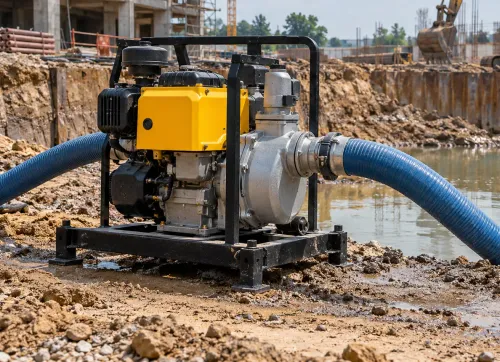


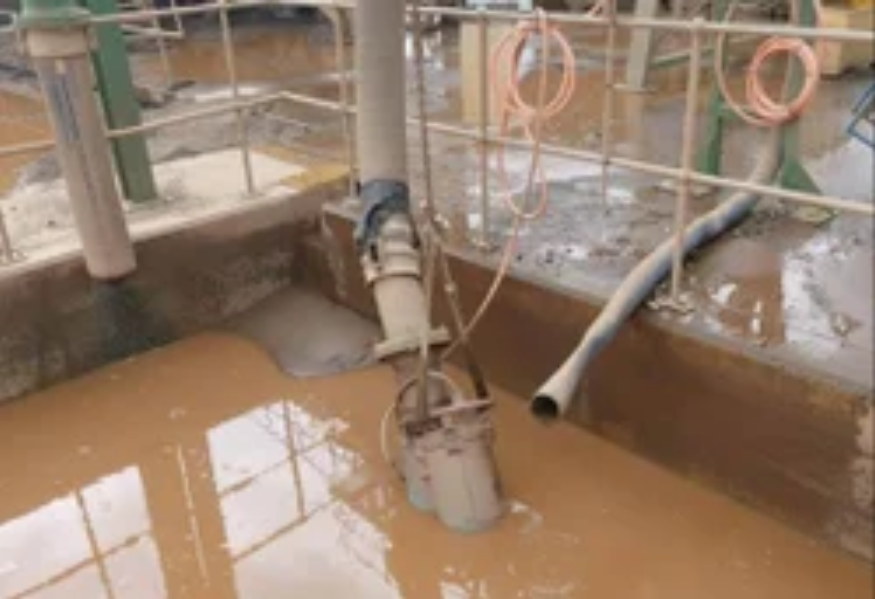
Not every dewatering application involves relatively clean water. Construction pits, industrial sumps, settling areas, drainage zones, and certain process environments can contain water mixed with mud, silt, sediment, and suspended solids. Sludge Dewatering Pump Services are relevant when conventional clean-water pumping equipment is not suited to these demanding conditions.
The characteristics of the material being pumped should determine the equipment and operating approach.
Why Sludge Is More Difficult to Pump
As solid concentration increases, the liquid behaves differently from clean water. Abrasive particles can accelerate component wear, while larger solids may obstruct unsuitable pump passages.
Potential challenges include:
- Clogging
- Impeller wear
- Reduced discharge
- Increased motor load
- Sediment accumulation
- Frequent maintenance
- Pipeline blockage
Understanding the material is therefore important before selecting pumping equipment.
Questions to Answer Before Selecting a Pump
A service provider may need information about:
- Type of sludge
- Solid particle size
- Approximate solids concentration
- Pumping depth
- Required discharge rate
- Vertical head
- Pipeline distance
- Operating duration
Site accessibility can also influence equipment selection and installation.
Sludge Dewatering Requires a System Approach
A suitable pump alone may not solve the entire problem. Hose or pipeline diameter, discharge location, electrical supply, solids settlement, and operating procedures all affect performance.
For continuous applications, maintenance access should also be considered. Abrasive conditions can require more frequent inspection than relatively clean-water duties.
Construction, industrial, and infrastructure projects across Pune and Maharashtra can encounter muddy or sediment-heavy water, particularly during excavation and seasonal rainfall. Industrial facilities may face additional requirements involving process sumps and accumulated sludge.
Sanas Engineering supports pumping and dewatering applications where the nature of the liquid needs to be evaluated before equipment is deployed.
When considering Sludge Dewatering Pump Services, providing accurate information about solids, pumping depth, discharge conditions, and operating hours can help determine a more suitable arrangement.
For sites dealing with recurring sludge accumulation or difficult dewatering conditions, an application-based assessment can establish the pumping capacity, equipment type, discharge arrangement, and maintenance requirements needed for reliable operation.