

Water in an excavation can come from rain, groundwater, leaking excavation walls or a rising water table, and the correct response depends on how fast it arrives and how the soil behaves. You will learn when a rented pump is enough, when groundwater-control equipment is needed, how to specify the duty point, and which safety, discharge and backup measures to confirm before work starts.
Key takeaways
- Assess groundwater, drainage and stormwater before excavation begins.
- Select pumps by required flow, total head and soil conditions.
- Keep discharge away from the excavation to prevent recirculation and erosion.
- Compare rental quotes using duty point, backup capacity and setup effort.
Recognise the excavation conditions that require temporary dewatering
Arrange excavation dewatering before digging when your site assessment shows groundwater, poor drainage or stormwater could reach the work area. Do not wait for flooding: OSHA requires employers to protect workers from accumulated water before employees enter, including removing the water or taking other precautions.
- A rising water table could reach the planned excavation depth.
- Seepage is visible through excavation walls, joints or the base.
- The groundwater inflow estimate exceeds what a bottom sump can collect safely.
- Rainwater accumulation is likely because the excavation lies below surrounding ground or drainage levels.
- Trench flooding could interrupt utility, road or foundation work.
- Water is entering during basement, footing or foundation excavation.
Arrange a rental system before excavation when the depth, soil permeability, groundwater level and nearby drainage conditions create uncertain inflow. Renting suits a short excavation phase because you can add temporary capacity without owning equipment sized for an event that may not occur.
Keep a standby pump or backup power available for a low excavation that could flood after one failure.
If water appears during digging, stop entry until the hazard is controlled. Prevent surface water from flowing into the excavation with diversion channels, bunds or covers. Give the pump provider the estimated flow in litres per minute, elevation gain, discharge-pipe length, friction-loss allowance and solids content; motor speed alone does not establish pumping capacity.
Choose the pumping method from flow, head and soil conditions
Choose the pump at its operating point: required pump flow rate at the required total dynamic head, not the advertised maximum flow. Total dynamic head includes vertical lift, discharge elevation, valves, bends, treatment equipment and discharge-pipe friction loss.
A motor marked 2,850 RPM shows rotational speed, not discharge capacity; request the pump curve and confirm flow at your measured head.
| Option | What it handles | When it fits |
|---|---|---|
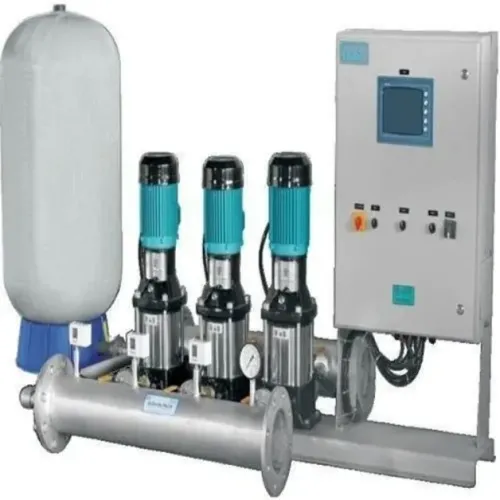
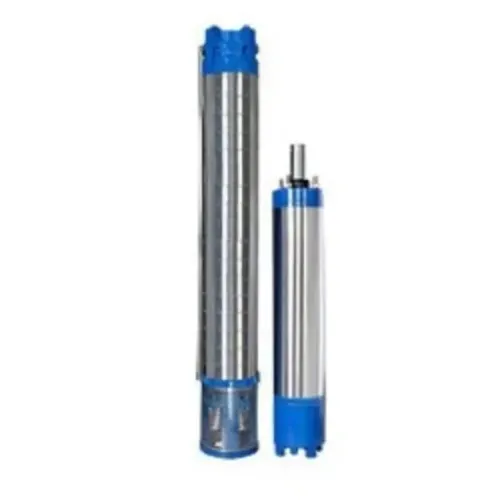
| Submersible pump | Clear to moderately dirty water without suction-lift priming | A flooded excavation has electrical supply, adequate solids protection and a stable sump |
| Trash pump | High flow with moderate solids; needs priming | Open sumps contain stones, leaves or construction debris and rapid removal matters |
| Diaphragm pump | Air, sludge and intermittent inflow | The sump floods irregularly or contains sediment that would interrupt a centrifugal pump |
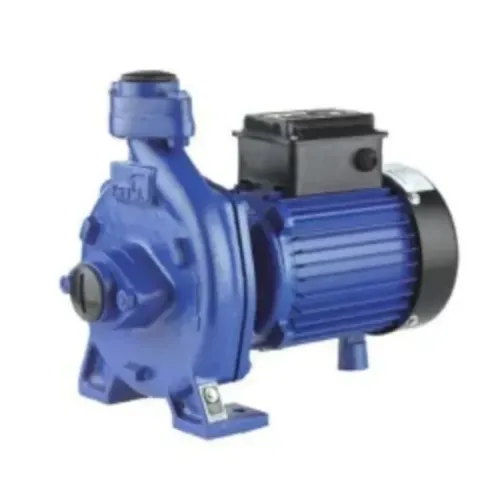
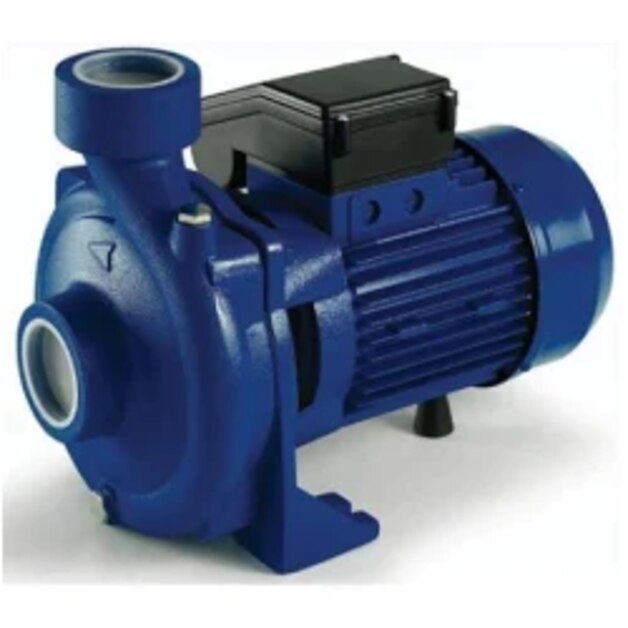
| Sump pump | Lower-flow collection from a local low point | Inflow is limited and coarse soil tolerates bottom collection |
| Wellpoint system | Continuous groundwater withdrawal through filtered points | A broad excavation needs perimeter drawdown in permeable sand or gravel; one stage usually achieves only about 15–20 feet of practical drawdown |
| Deep-well system | High-volume drawdown from deeper aquifers | Deep excavations require regional groundwater lowering beyond practical wellpoint lift |
Do not increase pump size when the base heaves, boils or shows upward seepage. That response can worsen piping or settlement; obtain a designed solution such as relief wells, staged excavation, cutoff walls, grouting or deep wells. In silts, fine sands and layered soils, uncontrolled sump pumping can remove soil and undermine nearby footings.
Set up and operate the system without destabilising the excavation
Place the pump on a firm, level platform or sump base, not against an unsupported excavation edge. Keep its weight away from the toe, protect the intake from clogging, and leave access for inspection and removal. A vibrating or floating pump can erode the base and damage the excavation.
Control these points during operation:
- Use sump pumping only where inflow is limited and the surrounding soil tolerates collection at the base. In silt, fine sand or layered soil, use filtered wellpoint groundwater control or a designed deep-well system; aggressive pumping can remove particles, cause piping and settle nearby ground.
- Stop and reassess if the base heaves, boils or shows upward seepage. More pump capacity can worsen artesian pressure; relief wells, staged excavation, a cut-off wall or grouting may be required.
- Route discharge through secured, adequately sized pipe with flexible joints supported away from the trench edge. Direct it to an approved outlet, not against a slope, footing or unprotected drain.
- Provide sediment control with a settling tank, filter bag or other specified treatment before discharge. Test or characterize water containing fuel, solvents or metals; sediment treatment alone is inadequate.
- Install electrical protection: a ground-fault device, grounding, weatherproof connections and cables elevated clear of water and plant traffic.
- Record excavation water level, pump flow, discharge condition and rainfall at set intervals. Watch for wall movement, cracking, turbidity and unexpected level changes, then stop work and evacuate if stability deteriorates.
Plan capacity, backup and site safety for changing inflow
A pump sized for normal inflow is not a rainfall plan. Add capacity for stormwater, install a high-level alarm, and keep discharge routes clear before the excavation opens.
1. Measure inflow at dry-weather and wet-weather conditions, then set a target flow above the observed peak. Include total dynamic head, rising water levels and blocked or extended discharge lines in the calculation.
2. Specify a backup dewatering pump with matching hose, fittings and power supply. A pump rental backup is valuable when one failed pump could flood the excavation before a technician arrives; agree the emergency response time and keep spare seals, strainers and wear parts available.
3. Divert surface runoff with berms, channels or covered stockpiles. After heavy rain, a pump failure or a change in groundwater, stop entry and have a competent person inspect the excavation, access points, shoring and nearby structures before work resumes.
4. Keep the base dry for concrete placement, but do not send concrete-cutting slurry or heavily silty water through a clean-water pump. Use a solids-handling pump and, where required, a settling tank, bag filter or approved treatment system.
5. Treat contaminated excavation water as a separate waste stream. Fuel, solvents and metals require sampling and an approved treatment, disposal or discharge route; never pump them into a storm drain or sewer without written authorisation.
Construction excavation safety requires controlling accumulated water before workers enter. Record pump levels and discharge turbidity, and suspend work whenever water, soil piping, wall seepage or settlement threatens stability.
Compare rental quotes by duty point and total dewatering effort
A quote based on 2,850 RPM tells you almost nothing about field performance. Give the provider excavation depth, groundwater level, expected inflow in litres per minute or cubic metres per hour, soil and solids content, discharge destination, elevation gain, pipe length and diameter, bends, valves, filters and treatment equipment.
Ask for these quote details:
- The pump duty point: required flow at total dynamic head, not the advertised maximum flow.
- The pump curve showing how flow changes as head increases.
- Hose diameter, total length, fittings and expected friction loss.
- Included standby pump, spare wear parts, backup power and failure-response time.
- Charges for delivery, installation, fuel or electricity, monitoring, cleaning, damage and minimum rental period.
Check whether the rental dewatering equipment cost includes a settling tank or solids-handling pump for silty water and concrete-cutting slurry. A clean-water pump can lose flow when abrasive solids wear seals, clog strainers or block discharge lines.
Also verify who checks for suction leaks, a poor foot valve, vortexing and loss of prime before upsizing the pump.
| Option | Cost pattern | When renting or owning fits |
|---|---|---|
| Renting | Rental dewatering equipment cost follows the temporary project period | Prefer it for uncertain inflow, short excavations, changing capacity or infrequent use |
| Owning | Capital, storage, servicing and replacement parts continue between projects | Prefer it for predictable, repeated dewatering with trained operators |
Sanas Engineering Khedshivapur can help compare the pump curve, pipe arrangement and standby provision rather than comparing headline flow alone.
Related service
Dewatering pump Dewatering Submersible Pumps Rental Service We take a huge pleasure in the market by offering best and excellent quality range of Water Pump Rental Services. View service → |
Frequently asked questions
When does an excavation need temporary dewatering?
Arrange dewatering when groundwater, poor drainage, stormwater or seepage could accumulate in the work area, weaken excavation sides or obstruct concrete and foundation work. Do not allow workers to enter accumulated water without removing it or applying documented protective measures.
How do you choose a dewatering pump for an excavation?
Start with the required flow rate and total dynamic head, including lift, pipe friction, bends, valves and discharge elevation. Then match the method to the soil: sump pumping suits manageable inflow and stable soils, while wellpoints or deep wells suit broader groundwater control.
How can you dewater without destabilising the excavation?
Place sumps outside the active work zone where possible, filter pumped water to limit soil loss, protect discharge lines from erosion and monitor excavation sides for sloughing, piping, cracking or unexpected settlement. Stop and reassess when pumping changes ground conditions.
What should a dewatering rental quote include?
Compare the pump duty point, pipework, hoses, strainers, screens, power or fuel, installation, operator support, maintenance, standby equipment, discharge controls and removal. A lower daily rental rate can cost more when it excludes setup, backup capacity or changing-inflow response.