

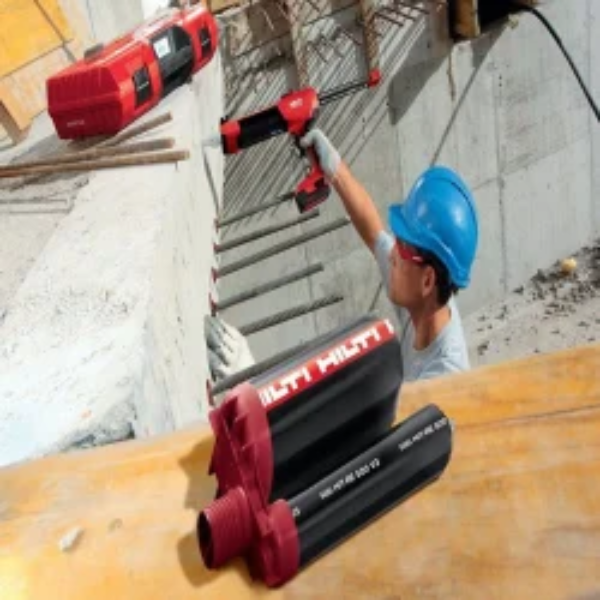
Extending an existing RCC element often requires new reinforcement to connect effectively with the existing concrete structure. This can arise during building expansion, slab extension, beam modification, column work, retrofitting, and structural strengthening.
Professional Rebar Fixing Services can support these applications by creating planned reinforcement connections based on project requirements.
Because reinforcement forms part of the structural system, rebar work should follow the relevant engineering design rather than being treated as a general drilling activity.
Start With Structural Requirements
Before drilling into existing concrete, the project team should understand what the new reinforcement is expected to achieve.
Important information can include:
- Bar diameter
- Required embedment depth
- Bar spacing
- Concrete condition
- Reinforcement layout
- Design load
- Required bonding system
- Edge distances
These parameters should be established according to the project design and site conditions.
Existing Reinforcement Must Be Considered
Drilling without understanding what lies inside the concrete can create unnecessary risk.
Existing RCC elements may contain reinforcement, conduits, embedded services, or post-installed components.
Where appropriate, drawings and suitable detection methods can help the team plan drilling locations.
The goal is to create the required connection while avoiding unintended damage to the existing structure.
Hole Preparation Is Critical
Drilling the hole is only one part of post-installed reinforcement work.
The hole may need appropriate cleaning before the specified bonding material and reinforcement are installed.
Dust and debris left inside can interfere with the intended installation.
This is why workmanship and adherence to the specified installation process matter as much as drilling speed.
Rebar Fixing Has Many Applications
Typical project requirements can include:
- Slab extensions
- Beam extensions
- Column modifications
- Wall strengthening
- Foundation work
- Structural retrofitting
- Building expansion
- Industrial civil modifications
- Repair projects
- Infrastructure rehabilitation
Each application should be reviewed individually because the structural purpose and installation details can differ significantly.
Coordination With Concrete Cutting May Be Required
Renovation and extension projects often involve several connected civil activities.
An existing RCC section may first require controlled cutting, followed by surface preparation, reinforcement installation, shuttering, and new concrete work.
Coordinating these activities helps avoid a situation where cutting creates conditions that make the subsequent reinforcement work unnecessarily difficult.
Quality Checks Should Be Planned
Depending on project requirements, installation quality may need to be checked before subsequent civil work covers the connection.
Inspection can confirm factors such as bar position, depth, spacing, cleanliness, and adherence to the specified procedure.
Where the structural consultant requires testing, it should be incorporated into the project plan rather than added after work is completed.
Choose a Provider Based on Technical Readiness
Before appointing a contractor, ask how the team approaches drawings, drilling accuracy, hole preparation, reinforcement placement, site safety, and coordination with structural consultants.
Sanas Engineering provides rebaring and related concrete engineering services for projects in Pune and other parts of Maharashtra.
The decision to use Rebar Fixing Services should ultimately be driven by the structural design. Contractors should have the relevant drawings, approved specifications, work area, and installation requirements ready before execution begins. When engineering requirements and site workmanship are properly coordinated, reinforcement connections can be completed more systematically as part of the broader structural modification.