
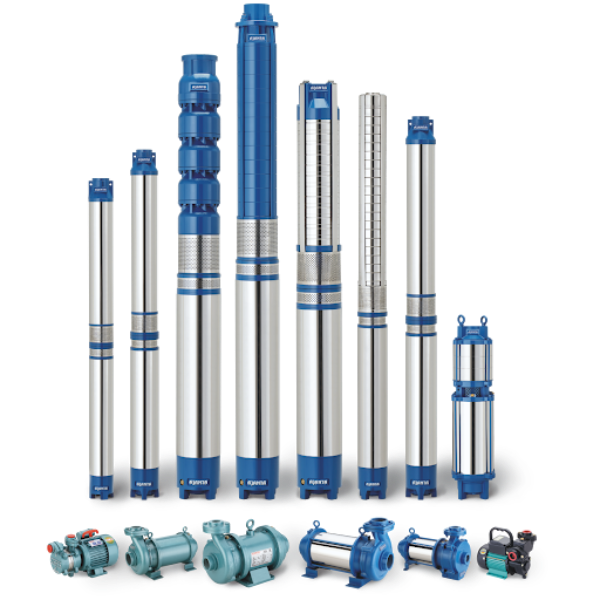
Managing accumulated water is an important requirement across construction sites, industrial facilities, infrastructure projects, commercial properties, mines, basements, sumps, and borewells. When water needs to be moved from a low-level or submerged location, Submersible Pumps provide a practical solution because the equipment operates directly inside the water.
Unlike many surface pumps that depend on suction to draw water upward, a submersible unit pushes water towards the discharge point. This makes it useful for applications involving deep water levels, confined spaces, drainage requirements, and continuous water removal.
How Submersible Pumping Works
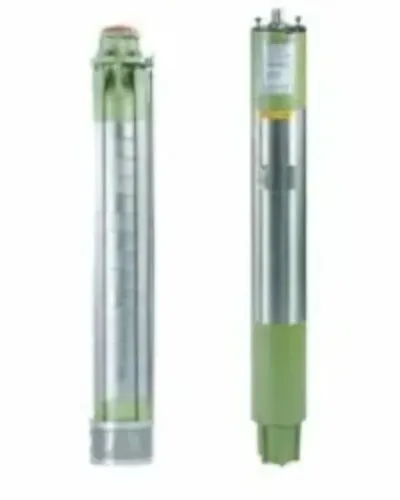
A typical submersible pumping unit combines the motor and pump within a sealed assembly. The equipment is lowered into the water source, where it moves water through a connected discharge pipeline.
Common applications include:
- Construction-site drainage
- Basement and sump water removal
- Borewell water supply
- Excavation dewatering
- Industrial drainage
- Tank water transfer
- Stormwater management
- Infrastructure projects
However, selecting a pump only by horsepower can lead to poor performance.
Important Factors When Selecting a Pump
The operating conditions should determine the equipment specification. Important considerations include:
- Required discharge rate
- Vertical pumping height
- Total dynamic head
- Installation depth
- Pipe length and diameter
- Water quality
- Suspended solids
- Available electrical supply
- Expected operating duration
For example, equipment designed for relatively clean borewell water may not be suitable for an excavation containing silt, sand, mud, and construction debris.
Understanding Head and Flow
Flow rate indicates how much water a pump can move during a specified period. Head represents the height and resistance against which the water must be pumped.
Pipe bends, valves, long pipelines, elevation differences, and fittings can increase resistance. Considering the complete discharge route helps prevent undersizing the equipment.
Construction, commercial development, and industrial operations across Pune and Maharashtra create varied water-management requirements, particularly during seasonal rainfall. Sanas Engineering supports pumping requirements where equipment selection needs to reflect actual operating conditions.
Assessing water quality, discharge capacity, pumping head, and operating duration before choosing Submersible Pumps can help create a more dependable water-management arrangement.
For project-specific pumping requirements, Sanas Engineering can assist with evaluating the application and identifying suitable equipment.