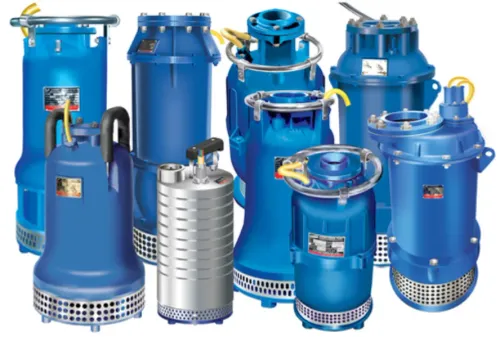


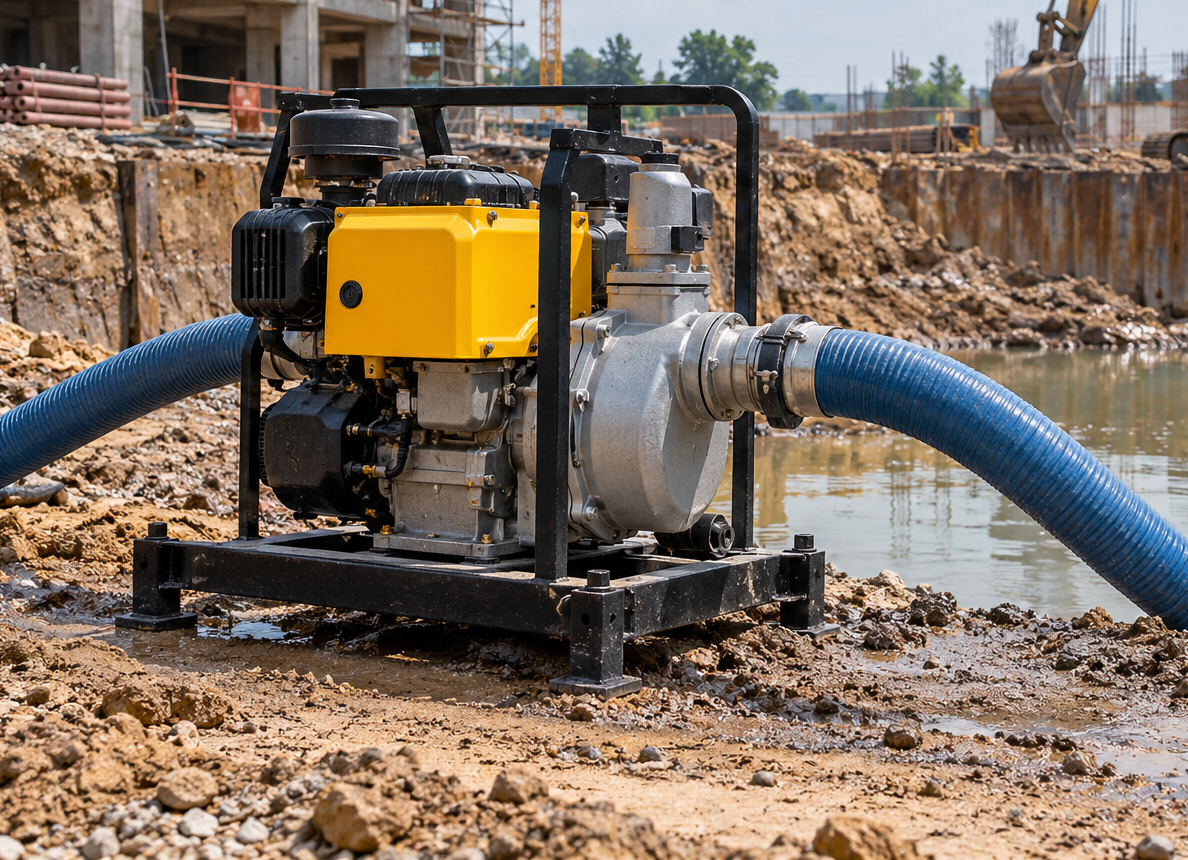
Selecting pumping equipment for dewatering is not simply a matter of finding a pump with a high discharge rating. Construction excavations, mines, industrial sumps, infrastructure sites, and drainage applications can involve very different water conditions. Choosing the right Dewatering Pump Supplier therefore requires evaluating both equipment capability and application knowledge.
The correct supplier should first understand what the pump is expected to handle.
Information a Supplier Should Ask For
Before recommending equipment, a provider should understand:
- Water inflow rate
- Excavation depth
- Required discharge distance
- Vertical head
- Water quality
- Amount of suspended solids
- Available power supply
- Expected operating duration
- Pipeline arrangement
If these factors are not considered, even a technically powerful pump may fail to provide the required site performance.
Look Beyond the Pump Rating
Published capacity represents performance under specified conditions. Actual output can change when the discharge head increases or when long pipes, fittings, valves, and elevation differences introduce additional resistance.
For demanding projects, contractors should evaluate the complete pumping arrangement rather than comparing horsepower alone.
Availability and Support Also Matter
Construction schedules can be affected significantly when essential dewatering equipment is unavailable. Supplier evaluation should therefore consider:
- Suitable pump range
- Technical guidance
- Equipment availability
- Repair capability
- Replacement support
- Rental options where applicable
- Knowledge of dirty-water applications
Pune and surrounding areas have ongoing construction, infrastructure, commercial, and industrial activity. During Maharashtra's rainy season, dewatering requirements can become particularly time-sensitive.
Sanas Engineering works with pumping and dewatering applications where equipment needs to be matched with actual operating conditions.
When choosing a Dewatering Pump Supplier, project teams should provide clear site information and assess whether the recommended solution addresses flow, head, water quality, solids, operating duration, and accessibility.
A supplier capable of understanding the entire dewatering requirement can help contractors make a more informed equipment decision rather than relying on specifications in isolation.