
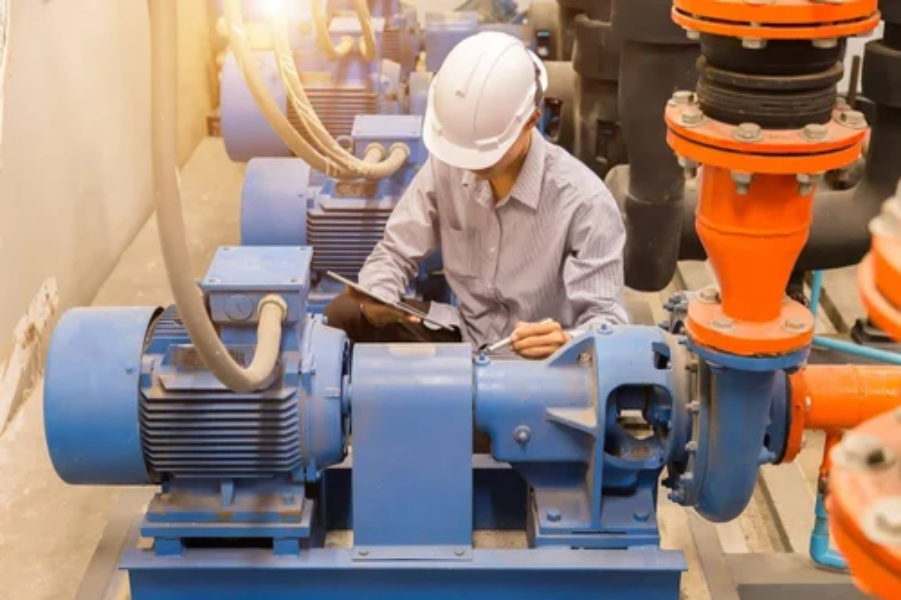
A pump that is operating today can still be developing wear, electrical problems, leakage, vibration, or reduced performance that may eventually cause an unexpected shutdown. Facilities that depend on several pumps often find that reactive maintenance becomes increasingly difficult as equipment numbers and operating hours grow.
An Annual Maintenance Service for Pumps can provide a structured approach to inspection and preventive maintenance.
The question is when such an arrangement becomes worthwhile.
Multiple Critical Pumps Are in Regular Use
A small property with one lightly used pump may have relatively simple maintenance requirements.
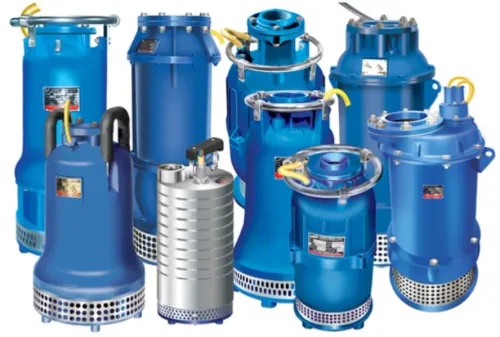
The situation changes when a facility operates multiple pumps for water supply, drainage, pressure boosting, dewatering, process support, or other essential functions.
Factories, commercial complexes, residential developments, hotels, hospitals, warehouses, and institutional campuses may depend on pumps every day.
As the equipment base grows, planned maintenance becomes easier to justify.
Breakdowns Are Becoming Too Frequent
Repeated emergency repairs are a strong signal that the existing maintenance approach should be reviewed.
Look beyond individual repair bills.
Breakdowns may also create:
- Production interruption
- Water supply problems
- Staff inconvenience
- Emergency contractor charges
- Damage from uncontrolled water
- Tenant complaints
- Delayed site work
- Additional management time
A preventive programme aims to identify developing problems before they become emergency failures.
Maintenance Records Are Incomplete
If nobody can say when a pump was last inspected, repaired, or serviced, maintenance is largely reactive.
An AMC-style arrangement can introduce a more systematic schedule.
Service records can help facility managers track recurring faults, replaced components, equipment condition, and recommended corrective actions.
This information becomes useful when deciding whether to repair, overhaul, or replace older equipment.
Your Team Depends on Emergency Calls
Calling a technician only after equipment stops may work for non-critical machinery, but it creates risk where pumping is essential.
If a failed drainage pump can flood an area or a water-supply pump can disrupt an occupied building, planned attention becomes more valuable.
Facilities should classify pumps according to operational importance and establish appropriate maintenance and backup arrangements.
Pumps Are Showing Early Warning Signs
An annual maintenance arrangement becomes particularly relevant when equipment begins showing repeated symptoms such as:
- Unusual noise
- Increased vibration
- Leakage
- Reduced discharge
- Frequent electrical tripping
- Irregular automatic operation
- Excessive heating
- Repeated component failure
These symptoms should be investigated rather than simply recorded.
Control Equipment Also Needs Attention
Pump maintenance should not stop at the mechanical unit.
Electrical panels, starters, protection devices, level controllers, sensors, cables, and associated components can affect overall reliability.
A maintenance scope should clearly define which elements are included.
Facility managers should also understand whether consumable parts, major replacements, emergency visits, and breakdown labour are included in the agreement or charged separately.
Your Facility Is Ready When Asset Information Is Available
Before requesting an AMC proposal, prepare a basic pump inventory.
Record the pump type, quantity, location, application, operating pattern, known faults, and available equipment details.
This allows the service provider to assess the maintenance requirement more accurately.
Sanas Engineering provides pump maintenance, repair, control, rental, and related pumping support for facilities and projects in Pune and across Maharashtra.
An Annual Maintenance Service for Pumps becomes particularly practical when equipment is operationally important, breakdown costs are rising, multiple pumps require coordination, or facility teams want to move from emergency repairs toward planned maintenance.
The strongest maintenance programme is not simply a fixed number of service visits. It should reflect the condition, duty, operating environment, and importance of the pumps being maintained.