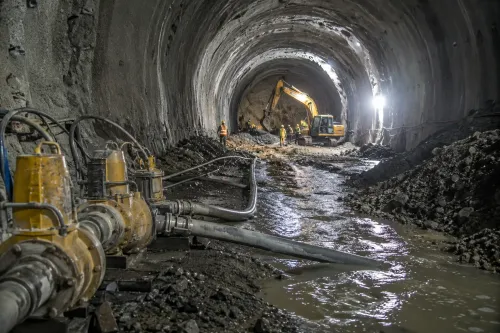

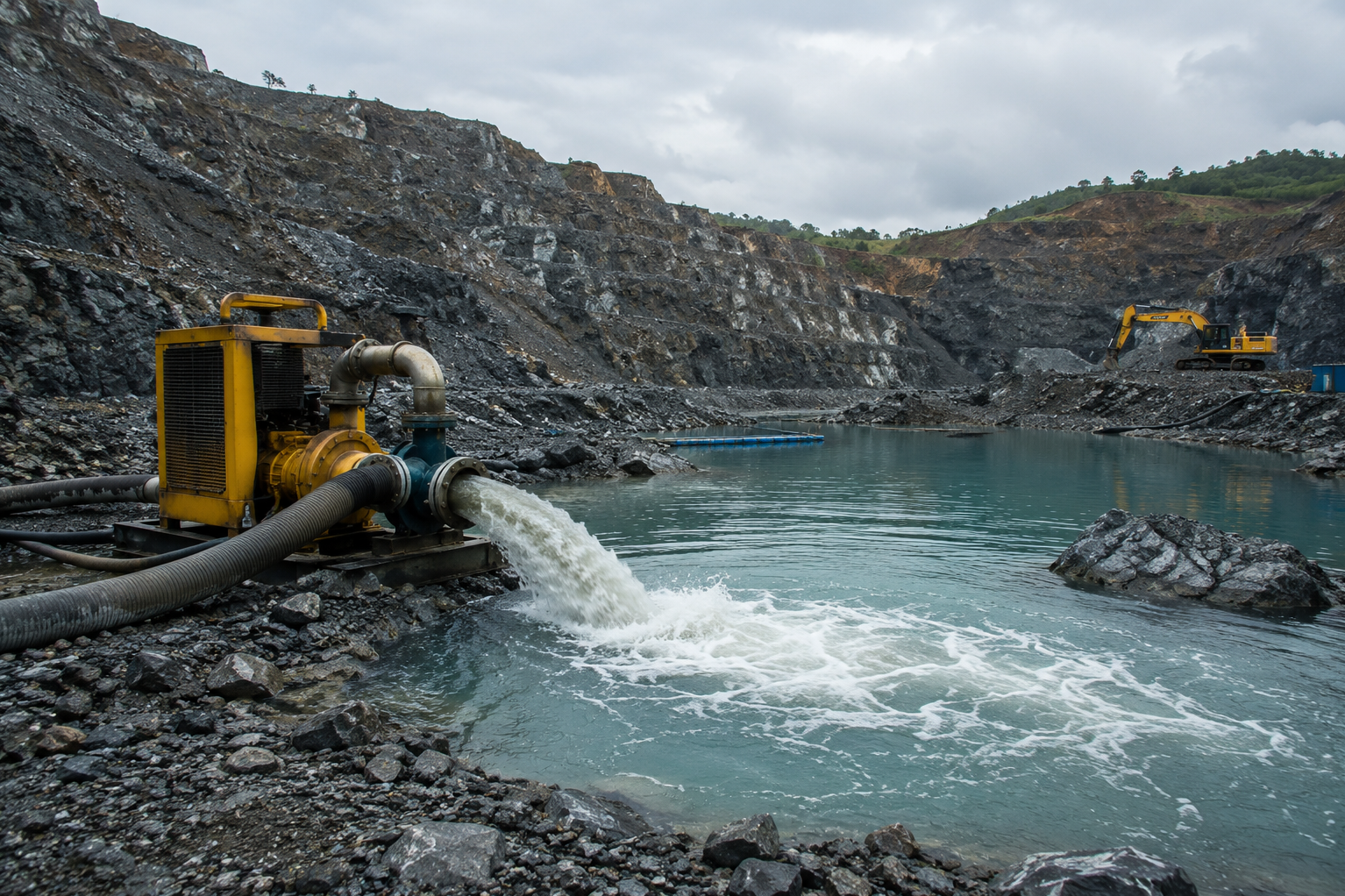
Mining operations frequently encounter groundwater that can slow excavation, damage equipment, and create hazardous working conditions. Professional mine dewatering services help maintain dry excavation areas, allowing mining activities to continue safely and efficiently.
With mining and mineral processing remaining important industries across several regions of Maharashtra, dependable water management has become a critical part of operational planning.
The Impact of Excess Water in Mines
Groundwater enters mines through natural rock formations, rainfall infiltration, and underground water channels.
If not controlled, excess water may lead to:
- Unsafe working environments
- Equipment corrosion
- Reduced excavation efficiency
- Slope instability
- Increased maintenance costs
- Unexpected production delays
Proper dewatering minimizes these operational challenges.
How Mine Dewatering Is Performed
Every mining site has unique geological characteristics that influence the dewatering strategy.
The process generally includes:
- Hydrogeological assessment
- Pump selection
- Installation of pumping systems
- Continuous groundwater monitoring
- Water discharge management
This planned approach helps maintain stable operating conditions throughout mining activities.
Equipment Used for Mine Dewatering
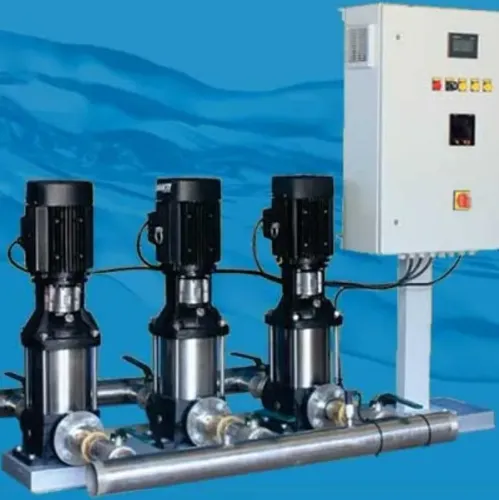
Reliable pumping equipment plays a central role in successful water management.
Common systems include:
- Heavy-duty submersible pumps
- High-capacity centrifugal pumps
- Slurry pumps
- Dewatering pipelines
- Monitoring instruments
Equipment selection depends on mine depth, water volume, and suspended solids.
Benefits Beyond Water Removal
Professional mine dewatering improves more than excavation.
Key advantages include:
- Better worker safety
- Improved machinery performance
- Reduced downtime
- Lower repair costs
- Increased productivity
- Better environmental compliance
These benefits contribute to more efficient long-term operations.
Planning for Changing Groundwater Conditions
Groundwater levels often fluctuate during mining activities. Continuous monitoring allows operators to respond before water becomes a major issue.
Preventive maintenance, regular inspections, and proper pump sizing all contribute to reliable performance.
Engineering companies such as Sanas Engineering in Pune support industrial operations with engineered solutions designed for demanding environments. Information available through sanasengg.com highlights the importance of selecting technically appropriate equipment for complex industrial applications.
Mine dewatering is not simply about removing water. It is an essential engineering process that protects people, equipment, and operational continuity.
4: How Sewage Dewatering Pump Services Improve Wastewater Management
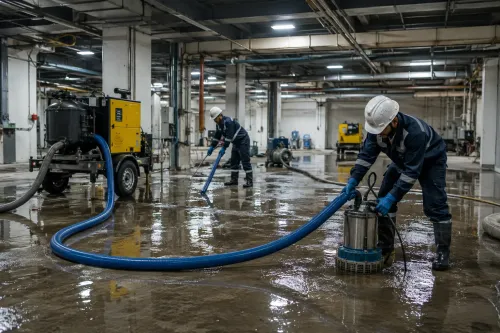
Wastewater treatment facilities, municipal projects, and industrial plants generate large volumes of sludge and sewage that require efficient handling. Professional sewage dewatering pump services help separate water from waste, making transportation, disposal, and treatment significantly more efficient.
As industrial activity continues expanding around Pune, effective wastewater management remains an important part of sustainable operations across Maharashtra.
What Is Sewage Dewatering?
Sewage dewatering is the process of removing excess water from sludge and wastewater using specialized pumping and separation equipment.
Reducing water content helps:
- Lower transportation costs
- Improve waste handling
- Reduce storage requirements
- Increase treatment efficiency
- Support environmental compliance
The process contributes to more economical wastewater management.
Where These Services Are Used
Sewage dewatering pump services support many industries and public infrastructure projects.
Typical applications include:
- Municipal sewage treatment plants
- Industrial wastewater facilities
- Construction projects
- Chemical manufacturing
- Food processing industries
- Paper and textile plants
Each sector requires equipment suited to different sludge characteristics.
Features of Professional Pumping Systems
Industrial sewage pumps are designed to handle challenging operating conditions.
Important characteristics include:
- High solids handling capability
- Abrasion-resistant components
- Reliable continuous operation
- Energy-efficient performance
- Easy maintenance
- Corrosion-resistant construction
Selecting suitable equipment improves long-term operational reliability.
Best Practices for Efficient Dewatering
Organizations can improve performance by following several practical measures:
- Inspect pumps regularly.
- Monitor sludge consistency.
- Avoid operating beyond equipment capacity.
- Schedule preventive maintenance.
- Replace worn components before failure.
- Train operators in proper system management.
Routine maintenance significantly reduces unexpected breakdowns.
Selecting the Right Service Partner
Wastewater projects often require technical knowledge beyond standard pump installation. Experienced providers evaluate operating conditions, sludge characteristics, flow rates, and maintenance requirements before recommending solutions.
Sanas Engineering works with industrial clients by delivering engineered equipment solutions for demanding process applications. Additional information available through sanasengg.com demonstrates how technical expertise contributes to dependable industrial pumping systems.
Efficient sewage dewatering supports cleaner operations, reduces disposal costs, and helps industries maintain reliable wastewater management while meeting operational and environmental requirements.