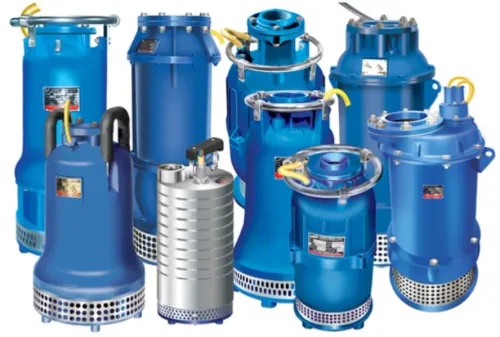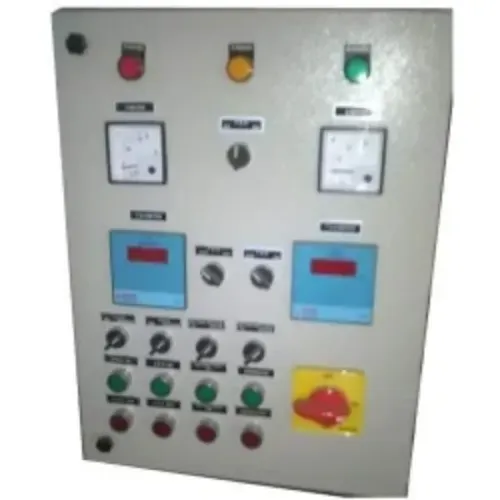


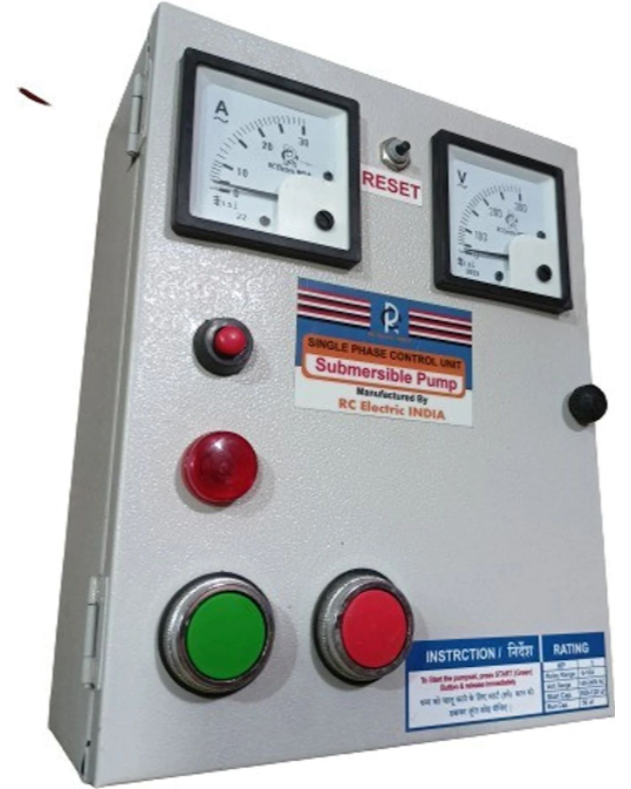
A pump may be the most visible part of a water-management system, but its electrical controls have an equally important role. An Electric Water Control Panel provides organised control and protection for pumps used in water supply, drainage, dewatering, pressure boosting, and other applications.
Choosing the panel without considering the pump and site conditions can create operational problems.
What Should a Control Panel Manage
Depending on the configuration, a control panel may provide functions such as:
- Pump starting and stopping
- Motor protection
- Overload protection
- Phase monitoring
- Level-based operation
- Automatic and manual modes
- Pump sequencing
- Status indication
More advanced installations may also incorporate variable-frequency drives, alarms, and monitoring functions.
Match the Panel With the Pump
Motor capacity is a fundamental consideration. The switching components, protective devices, cables, and control arrangement should correspond with the motor's electrical requirements.
The starting method is also important. Different applications may use direct-on-line, star-delta, soft-start, or variable-speed arrangements.
Consider the Installation Environment
Panels installed in industrial facilities can face dust, moisture, heat, and demanding operating conditions. Outdoor installations require additional consideration for environmental protection.
Before selecting equipment, evaluate:
- Pump motor rating
- Number of pumps
- Operating sequence
- Available electrical supply
- Required automation
- Installation environment
- Protection requirements
- Future expansion possibilities
Construction projects, industrial facilities, commercial properties, and water-management installations throughout Pune and Maharashtra can have very different control requirements.
Sanas Engineering works with pumping applications where electrical control forms part of the overall operating arrangement. Rather than treating the Electric Water Control Panel as an isolated component, it is useful to evaluate it together with the pump, sensors, pipeline system, and operating requirements.
A properly configured control arrangement can simplify operation, improve equipment protection, and provide clearer control over the overall water-management process.