

Buildings with changing water demand often experience pressure fluctuations. During peak usage, pressure may fall significantly, while low-demand periods can create different operating conditions. A Hydro Pneumatic Water Supply System is designed to maintain controlled pressure as water consumption changes.
This approach is widely applicable to multi-storey residential buildings, hotels, hospitals, commercial complexes, industrial facilities, and institutional properties.
How the System Maintains Pressure
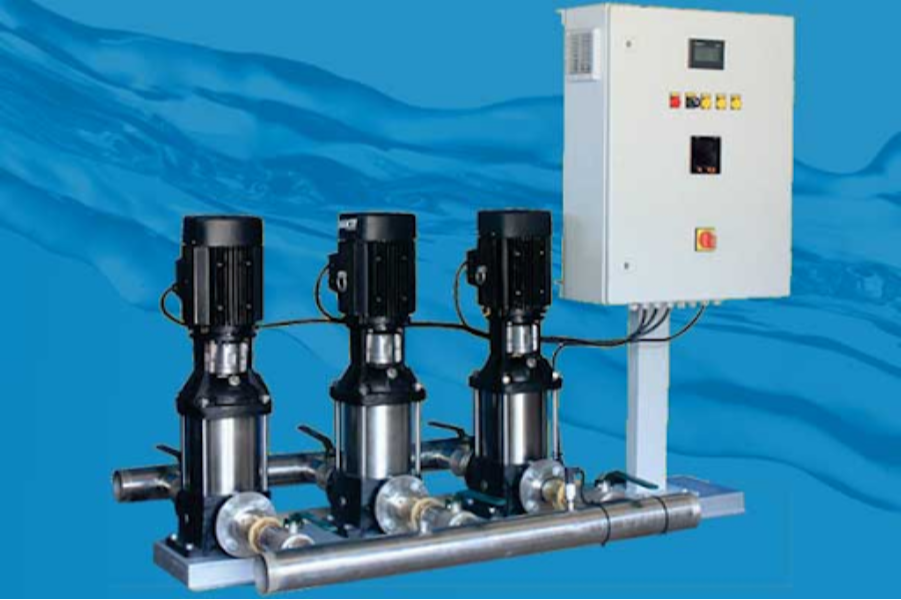
A typical hydro pneumatic arrangement combines pumps with pressure-monitoring and control equipment. A pressure vessel may also form part of the installation.
When demand increases and system pressure falls, the pumping arrangement responds. As demand decreases, pump operation is reduced or stopped according to the control logic.
Depending on the design, variable-frequency drives can regulate pump speed according to real-time pressure requirements.
Advantages for Buildings With Variable Demand
A properly designed system can offer:
- More consistent water pressure
- Automatic operation
- Better response to changing demand
- Reduced dependence on rooftop storage in certain designs
- Controlled pump operation
- Improved distribution across multiple floors
However, these advantages depend on correct system sizing.
What Should Be Assessed Before Installation
Designers and property managers should evaluate:
- Peak water demand
- Minimum and maximum pressure
- Building height
- Number of outlets
- Available storage
- Pump configuration
- Pipe network
- Pressure vessel sizing
- Control requirements
A system designed for a small commercial property will not necessarily meet the requirements of a large residential tower.
Pune's expanding residential and commercial developments have created varied requirements for reliable pressurised water distribution. Industrial facilities may also require controlled water pressure for utility and process-related applications.
Sanas Engineering supports water-management projects where pumping equipment and pressure-control arrangements need to work as an integrated system.
Before investing in a Hydro Pneumatic Water Supply System, evaluating actual demand patterns rather than relying only on approximate building size can help establish a more efficient configuration. A site-specific assessment can also identify existing pressure losses and distribution constraints that should be addressed as part of the overall solution.